walking upstream…
Charles Trenet


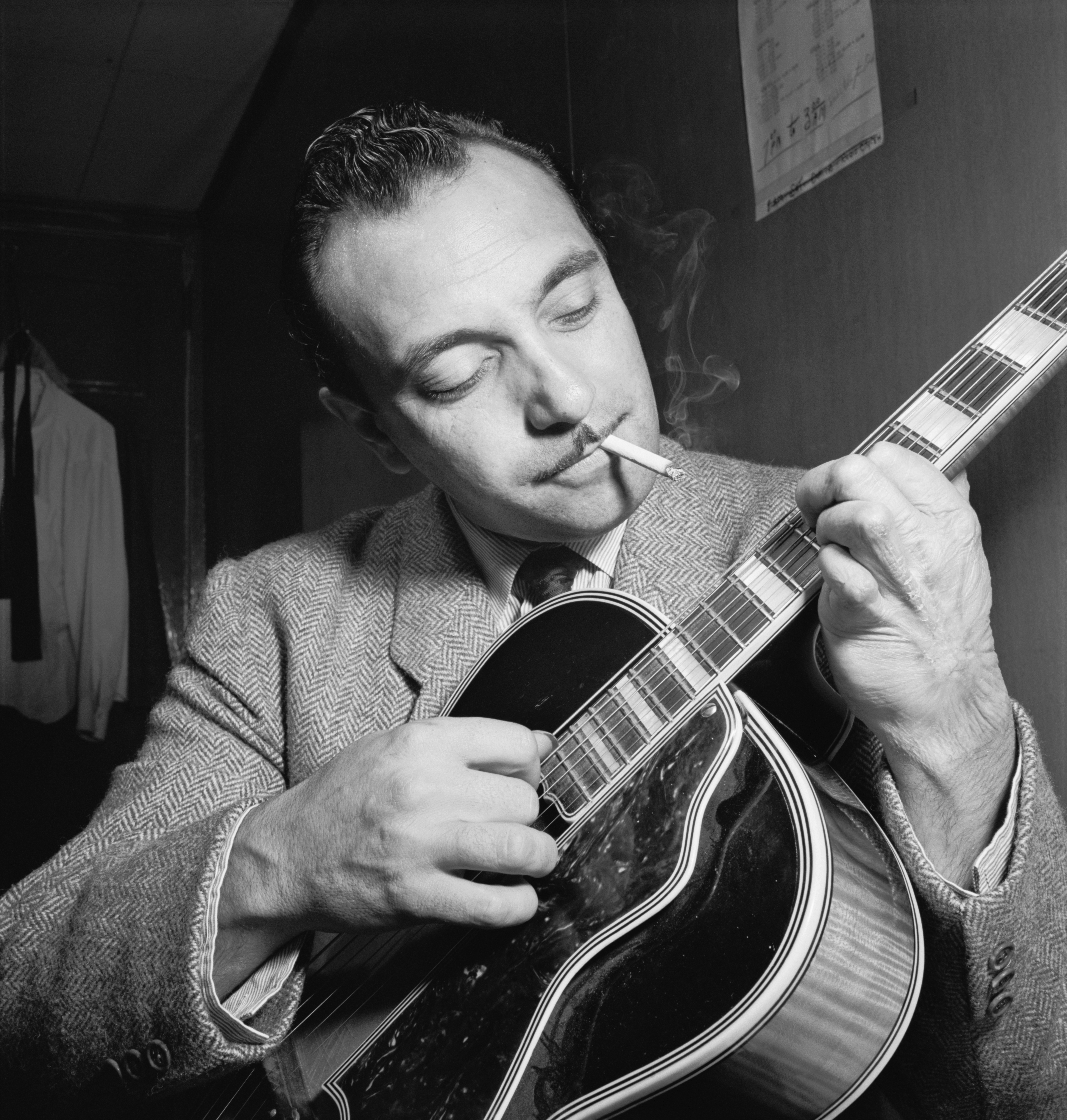
 photo: conrad poirier · public domain ↗
Charles Trenet
sourcesThe Guardian — "Charles Trenet" obituary (career overview; Chevalier commissioned "Y'a de la joie") · RFI Musique — Charles Trenet biography (Chevalier's Casino de Paris invitation; meeting Gershwin and Armstrong in the US) · J'ai la mémoire qui chante — Trenet biography, credited to INA's "Jalons" (his mother's Gershwin phonograph records) · Citizen Jazz — review of the "La vie en mauve" reissue (Le Monde's Gershwin/Armstrong pairing; Hot Club de France collaboration) · Le Nouvel Observateur — "Le mystère Trenet" obituary dossier (Trenet's own account of his guarded relationship with Chevalier)
On a train between Narbonne and Carcassonne in 1943, Charles Trenet said he wrote "La Mer" in twenty minutes, the coast sliding past the window while the tune arrived whole; it sold in the tens of millions and outlasted him. By then he had a decade's practice at the persona critics called "Le Fou Chantant," the Singing Madman, built out of a teenage habit of doing impressions of his own idol before he had a style of his own. He landed in Paris a broke, art-school dropout in the early 1930s and left it the man credited with teaching French chanson how to swing — American jazz absorbed at his mother's piano, hot-club guitar borrowed for one wartime afternoon, all of it folded into songs light enough to sound like they cost nothing to make.
the sound in question
1946
La MerCharles Trenet
walk the tributaries ↓
Maurice Chevalier1930s · Music hall / Chanson
Before Trenet wrote a song of his own, he did impressions of one: friends who knew him in the early 1930s described "the Chevalier influence... clearly showing, not only in his explosive singing style, but also in his penchant for launching into actual impersonations of Chevalier himself." The apprenticeship became a hand-off in 1937, when Chevalier invited the demobilized Trenet onto his own bill at the Casino de Paris and premiered a song the younger man had just written, "Y'a d'la joie" — the show that made Trenet's name before he'd sung it as his own.
listen: upstream & here
1929
LouiseMaurice Chevalier
1938
Boum!Charles Trenet
listen forChevalier's "Louise" struts on exaggerated diction and a wink to the listener between every line, the whole performance built to be watched as much as heard. "Boum!" borrows that same talky, half-spoken delivery — Trenet tumbling through the verses like patter before the tune catches him up into the chorus, the joke and the melody arriving in the same breath.
George Gershwin1920s · Jazz / Broadway
An INA-sourced biography records that his mother, in the family home in Narbonne, "plays the piece 'Hindustan' on the piano and listens on the family phonograph to jazz standards by George Gershwin" — Trenet's first, secondhand brush with American jazz, years before he met the composer himself on a later trip to the US. A critic writing in Le Monde, Claude Fléouter, would eventually sum up the debt outright, calling Trenet "the prodigal son of George Gershwin and Louis Armstrong."
listen: upstream & here
1924
Rhapsody in BlueGeorge Gershwin
1938
Y'a d'la joieCharles Trenet
listen for"Rhapsody in Blue" struts open on a clarinet whoop and a jazz-age syncopation that keeps threatening to trip over its own beat before the whole orchestra catches up. "Y'a d'la joie" compresses that same restless, off-kilter bounce into a three-minute chanson: piano and voice trading the same tumbling, syncopated push that Gershwin's orchestra stretches across fifteen minutes, here shrunk down to a music-hall singalong you can whistle on the way out.
Django Reinhardt1930s · Gypsy jazz / Jazz / Swing
On March 12, 1941, in occupied Paris, Trenet cut La Fontaine's fable "La Cigale et la Fourmi" backed by the Quintette du Hot Club de France, Django Reinhardt himself on solo guitar alongside his brother Joseph and pianist Léo Chauliac. Critics count it among the proof that Trenet "undoubtedly contributed to popularizing swing in France just before the war," playing alongside "the Quintette du Hot Club de France of Grappelli and Reinhardt" rather than merely borrowing their sound secondhand.
listen: upstream & heresource: The Vintage Bandstand — Trenet career overview (Chevalier's stage influence and impersonations; Django Reinhardt on "La Cigale et la Fourmi") ↗
1937
Minor SwingDjango Reinhardt
1941
La Cigale et la FourmiCharles Trenet
listen for"Minor Swing" runs on Reinhardt's clean, liquid single-note lines threading through the rhythm guitars underneath. On "La Cigale et la Fourmi," that same guitar voice sits directly under Trenet's vocal, answering each line of the fable with a swing-guitar phrase rather than a simple strum — the one recording here where the influence is playing in the room, not just heard from a distance.