walking upstream…
Central Cee


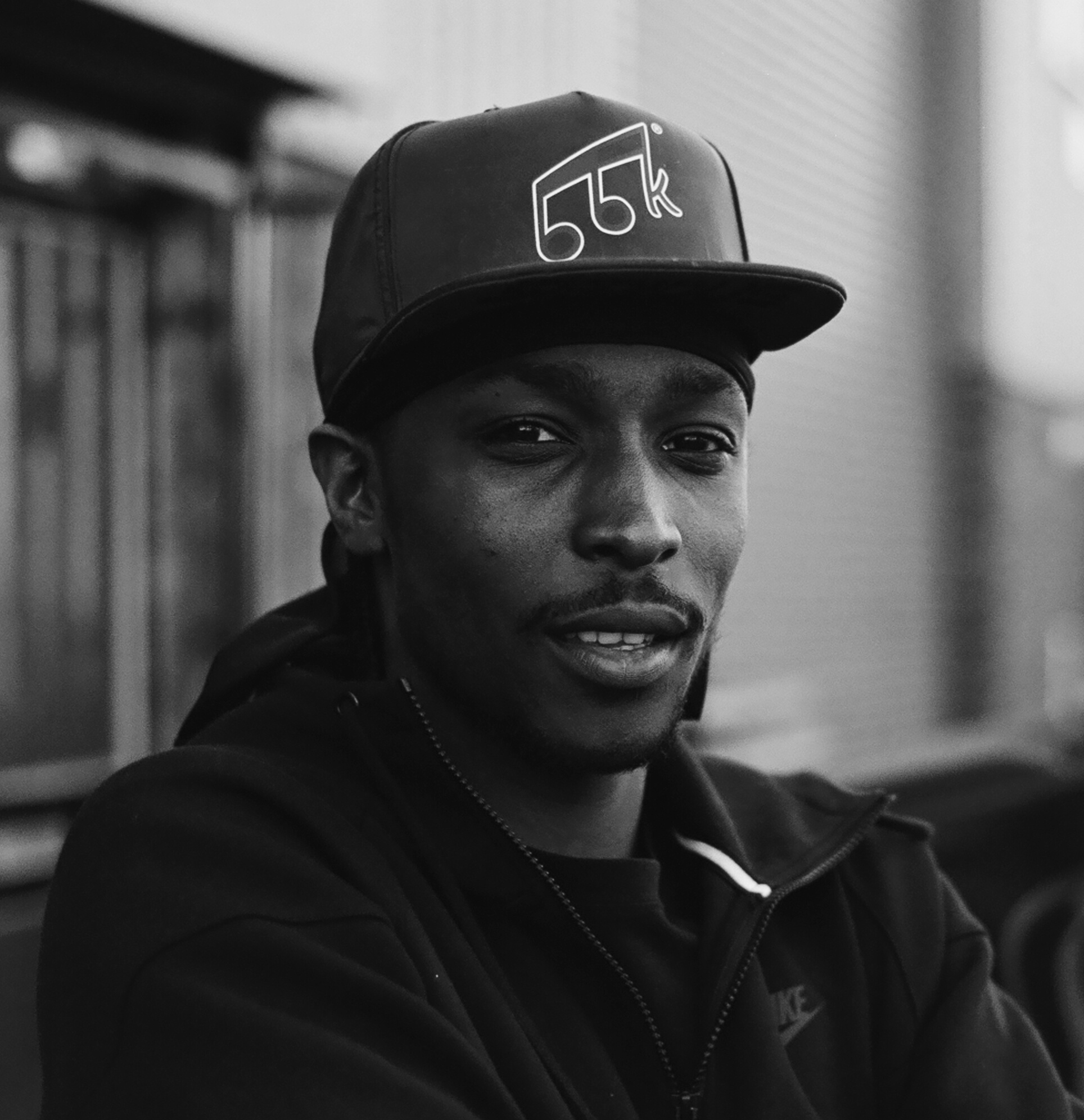
 photo: 200izo · cc by-sa 4.0 ↗
Central Cee
sourcesHotNewHipHop — Chip Proves He Has No Beef With Central Cee On "C Freestyle" (Chip's own lyrics on Central Cee) · Complex — Central Cee Hops On A Classic Grime Instrumental For "CC Freestyle" (shared riddim background) · Rolling Stone — Central Cee on U.K. Drill's Global Audience (bio · British Vogue — Central Cee, The UK's Emperor Of Rap (bio · Complex — Central Cee Makes UK Chart History, Shouts Out Skepta For Early Influence
Oakley Caesar-Su grew up between two flats in west London, splitting time with a mother his father left when he was seven and taking on her hardships, he has said, "subconsciously." He started writing bars at eight and recording at fourteen — "it was just hard times inspired me, really," he told Rolling Stone, describing rap as therapy before it was a career. Years of Auto-Tuned trapwave went nowhere; the 2020 pivot to plainspoken bars on "Day in the Life" and "Loading" made him UK drill's most melodic voice, and mixtapes Wild West and 23 carried him to two UK Number One albums. "Doja" became the most-streamed UK rap song on Spotify; "Sprinter," with Dave, broke the UK's all-time weekly streaming record for a rap track. He built all of it, by his own account, on a grime education from watching freestyles as a teenager.
the sound in question
2022
DojaCentral Cee
walk the tributaries ↓
Skepta2010s · Grime / Hip hop
Asked by XXL who shaped him a decade before his own breakout, Central Cee didn't hedge: "like Skepta, I'll always pay a big thing to... that was really what made me wanna rap." He'd found him the same way most of his generation did — bootlegged on a Tim Westwood freestyle clip, years before either had a chart record. The clipped, hyper-confident bar structure and crowd-baiting punchlines Central Cee builds his own verses around trace straight back to that grime schooling.
listen: upstream & heresource: XXL — Central Cee ↗
2015
ShutdownSkepta
2020
LoadingCentral Cee
listen forSkepta's "Shutdown" opens with a single coiled bar built to detonate a room before the beat even drops; Central Cee's "Loading" does the same trick over a drill 808 — a short, quotable opener, then a delivery that stays clipped and staccato rather than spilling into melody. Same instinct for the room, a decade and a genre apart.
Chip2000s–10s · Hip hop / Grime
Of everyone Central Cee cites, only one gets a direct causal claim. "I vividly remember watching Chip's [freestyle] when it came out — I must have been about 14 — and he inspired me to start rapping because he was mad young," he told Complex, recalling the teenage Chip (then Chipmunk) tearing through a Tim Westwood freestyle. Fifteen years on, over the same classic grime riddim, Chip returned the favour on record: "Ask anybody born after '95 who made them wanna jump on grime they tell you it's me... I tell Central that I rate him. His progression's motivating."
listen: upstream & heresource: Complex UK — "I Don't Want To Be Boxed In As A Drill Rapper" (Chip freestyle origin story, grime freestyles named) ↗
2009
Chip Diddy ChipChip
2020
MollyCentral Cee
listen for"Chip Diddy Chip," cut when Chip himself was barely out of his teens, is all rapid-fire, quotable punchlines over a sparse beat with almost nothing to hide behind — the exact mode a 14-year-old Central Cee says hooked him. "Molly" runs the same play: plainspoken, hook-light bars ("too much time in the trap, but now, when I shop, I fill that trolley") that live or die on the line itself, not the production around it.
Jme2010s · Grime
Central Cee names Jme in the same breath as Skepta as one of the artists who "made me wanna rap," but his most specific memory of him is separate: asked what freestyle or set made him fall in love with grime, he answered "the Tim Westwood freestyles definitely... Jme's Crib Session." Jme, a co-founder of the independent label Boy Better Know, also co-wrote and features on Skepta's stripped-down manifesto single below — the record that first modelled Central Cee's own turn away from polish.
listen: upstream & here
2014
That's Not MeJme
2020
Day in the LifeCentral Cee
listen for"That's Not Me" strips grime back to a bare drum pattern and one repeated, deadpan boast, Jme and Skepta trading short, punchline-first bars instead of a hook. "Day in the Life" makes the identical move inside drill — Central Cee's own lyric literally announces the strip-down: "turn off the Auto-Tune, let's hear how you really rap." Listen for how little either track leans on melody to land.