walking upstream…
Alfredito Olivas
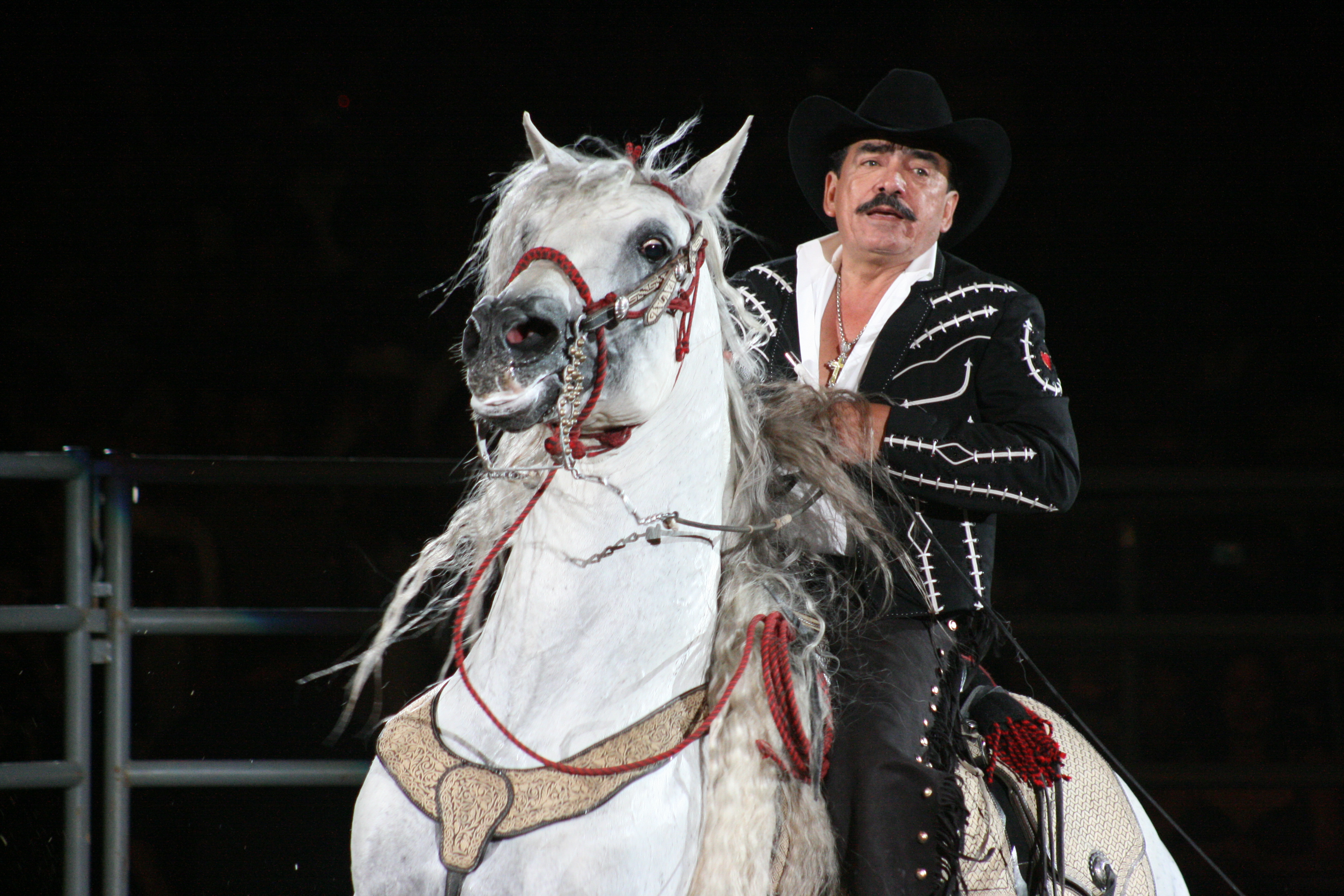
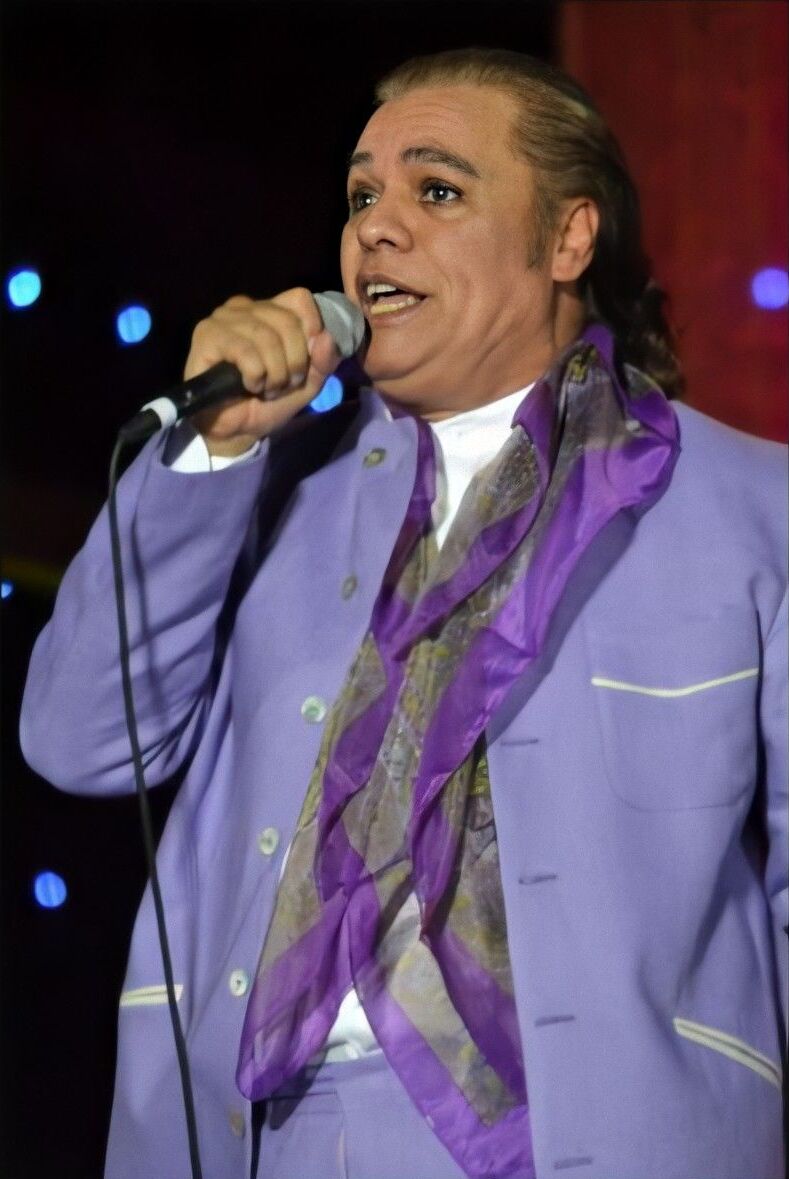

 photo: https://m.youtube.com/@sessionlive · cc by 3.0 ↗
Alfredito Olivas
sourcesBillboard — Mexican Singer Alfredo Olivas Shot During Concert in Mexico (the 2015 onstage shooting) · BuenaMusica — Alfredo Olivas biografía (early career, corridos from age nine, Fonovisa signing, debut albums) · Wikipedia — Alfredo Olivas (career overview; narcocorrido-to-Norteña Romántica turn)
On February 27, 2015, in Hidalgo del Parral, Chihuahua, a jealous boyfriend shot at Alfredo Olivas seven times while the 22-year-old sang and played accordion onstage, hitting him twice; video showed him collapsing without letting go of the instrument. He survived. Billed to fans as "Alfredito," a teenage nickname, Olivas had written corridos since age nine in Ciudad Obregón, Sonora, and signed to Fonovisa at sixteen; his 2010 album El Patroncito made him one of the genre's sharpest young narrators of cartel ascent. After the shooting, and the birth of his first son, he steered from narcocorridos toward what he calls Norteña Romántica, plainspoken heartbreak songs. By 2023 he was Mexico's highest-grossing touring act, and in 2024 landed his first Billboard Latin Airplay No. 1. His songwriting compass, he told Billboard Español that year, points to three romantic balladeers: Joan Sebastian, Juan Gabriel, and Marco Antonio Solís.
the sound in question
2017
El PacienteAlfredito Olivas
walk the tributaries ↓
Joan Sebastian1990s · Ranchera / Regional Mexican / Grupero
Asked in July 2024 which songwriters he measures himself against, Olivas didn't hedge: "I deeply admire Joan Sebastian, Juan Gabriel and Marco Antonio Solís, they are my example to follow as singer-songwriters," he told Billboard Español. Sebastian, who died in 2015, spent three decades writing ranchera-corrido ballads that read like short stories set to music before Olivas ever picked up an accordion — the confessional, first-person mode Olivas's own "Norteña Romántica" turn borrows from most directly.
1996
TatuajesJoan Sebastian
2017
El PacienteAlfredito Olivas
listen forSebastian's 1996 title track "Tatuajes" opens almost spoken, a plainspoken verse that only lifts into a held, aching note on the chorus's confession. Olivas's 2016 single "El Paciente," from La Rueda de la Fortuna, follows the same shape: a conversational verse narrating a jilted lover's patience, then a chorus that opens the throat wide on the title line — the talking-into-crying cadence behind the songwriter Olivas names Sebastian for.
Juan Gabriel1980s · Ranchera / Latin pop / Bolero
In the same Billboard Español interview, Olivas named Juan Gabriel second among his three songwriting models. Gabriel built Mexican pop's most enduring balada catalog on melodrama delivered plainly — a swelling, direct-address confession rather than a corrido's narrated story — before his death in 2016. It's that dramatic vocal arc, as much as the corrido tradition Olivas came up in, that shapes his own breakup songs.
1984
QueridaJuan Gabriel
2010
NoAlfredito Olivas
listen forGabriel's 1984 "Querida" builds around one repeated melodic hook, the vocal climbing from a restrained verse into a full-throated title line hurled at an absent lover. "No," from Olivas's 2010 debut El Patroncito, uses that same architecture: a plainspoken verse escalating into a shouted, one-word refusal, the same swell from talking to pleading that Gabriel had patented decades before Olivas ever recorded a note.
Marco Antonio Solís1980s-2000s · balada romántica / grupera / regional mexicano / latin pop
Third-named in Olivas's list was Marco Antonio Solís, the former Los Bukis frontman who by the 2020s had become Mexican pop's reigning romantic songwriter. Solís spent the 1980s writing hits for other singers before reclaiming them himself — 1999's Trozos de Mi Alma gathered a decade of his own compositions under his own voice, a model of the singer-songwriter authority Olivas has chased since his teenage Fonovisa years.
1999
Si No Te Hubieras IdoMarco Antonio Solís
2012
El Precio de la SoledadAlfredito Olivas
listen forSolís's "Si No Te Hubieras Ido" rides a slow, conversational verse into a chorus he holds and bends on the confession line, the ache arriving without him ever raising his voice much. Olivas's 2012 "El Precio de la Soledad" leans on the identical arc — a measured verse admitting betrayal, then a chorus stretched over the same unhurried tempo — the regret-ballad blueprint Olivas names Solís for.