Udit Narayan


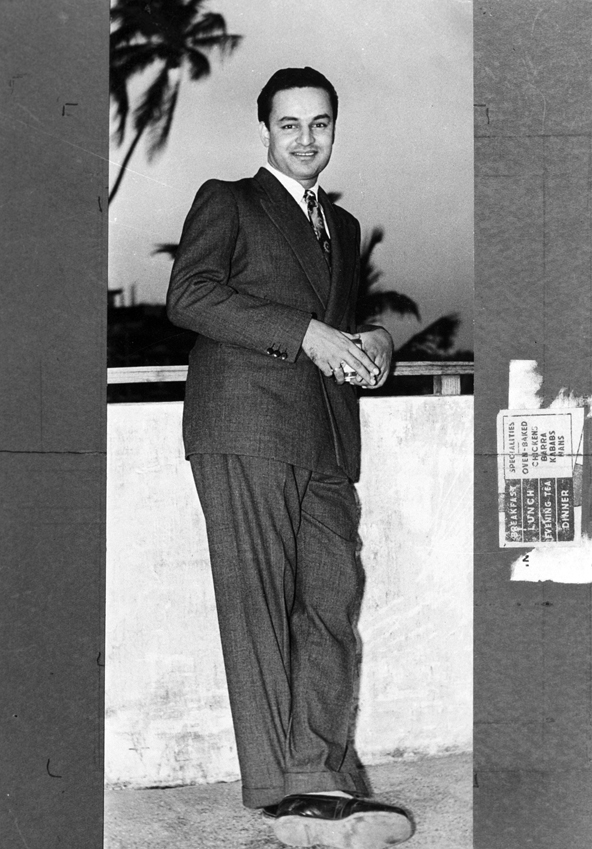
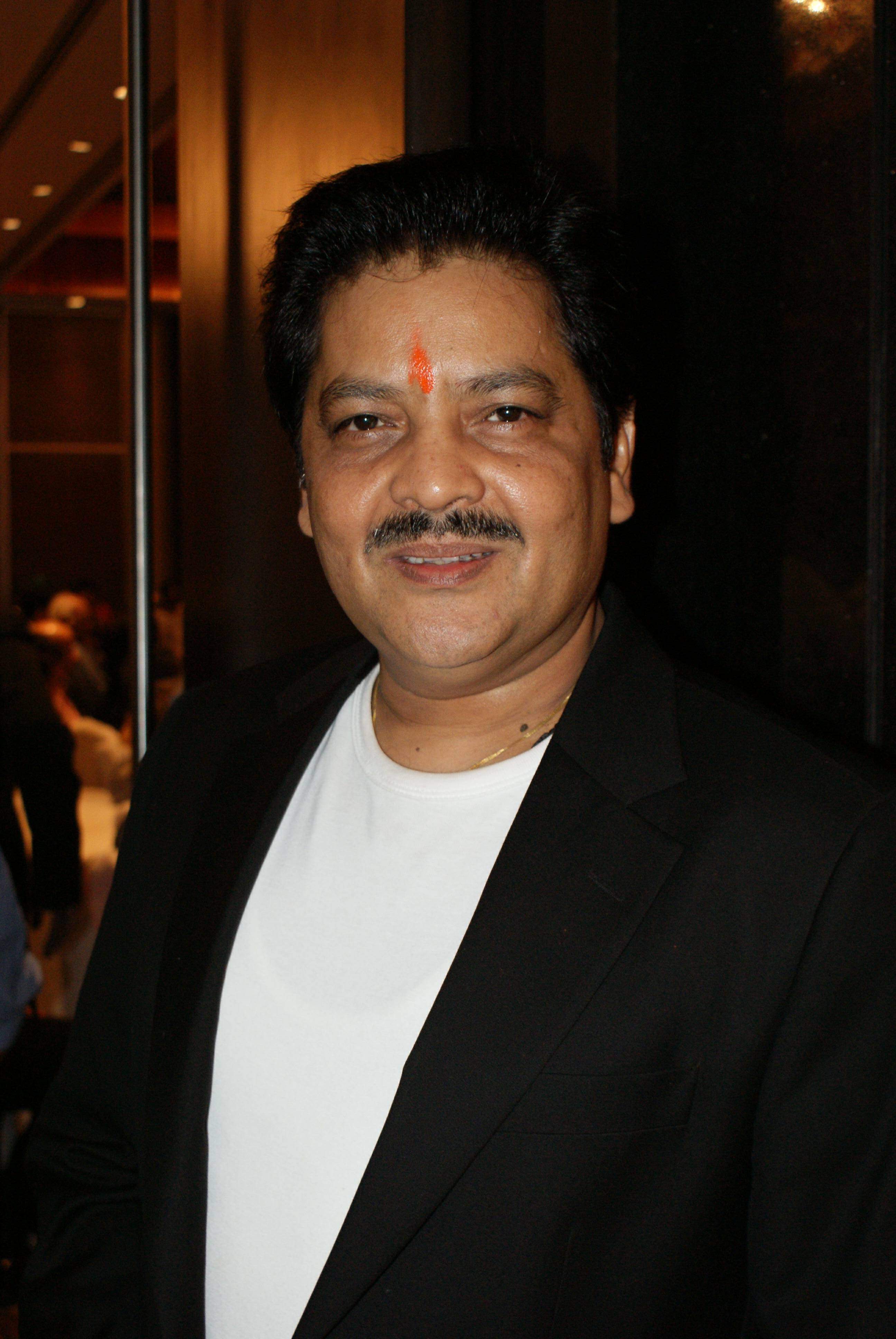 photo: camaal fotografia · cc by-sa 4.0 ↗
Born in 1955 in Baisi, Bihar to a Maithil family with Nepalese roots, Udit Narayan trained as a staff singer at Radio Nepal and later studied classical music on a scholarship in Mumbai before debuting in 1980 with a duet alongside his idol Mohammed Rafi. His breakthrough came in 1988 with "Papa Kehte Hain" from Qayamat Se Qayamat Tak, launching a three-decade run as one of Hindi cinema's most in-demand romantic voices, prized for a bright, tender upper register and unusually clear enunciation. Across the 1990s and 2000s he became the default playback voice for a generation of leading men, winning four National Film Awards.
Udit Narayan has openly named Mohammed Rafi as his idol, and it is telling that his very first film recording, in 1980, was a duet alongside Rafi himself. The debt shows in Udit's approach to a romantic melody: the same clean, slightly nasal sweetness in the high register and the same instinct to caress a long held note rather than belt it.
listen forPut Rafi's "Chaudhvin Ka Chand Ho" next to Udit's "Papa Kehte Hain" and listen to how each singer floats the top of a phrase — a gentle, almost weightless attack on the high notes, letting the melody bloom before it settles.
Kishore Kumar was the reigning male playback voice as Udit came up, one of the golden-era singers Udit grew up on. His imprint shows less in timbre than in the playful, buoyant energy Udit brings to up-tempo romance — the smiling, conversational lilt that turns a love song into pure exuberance.
listen forCue Kishore's "Mere Sapno Ki Rani" and then Udit's "Ruk Ja O Dil Deewane" — both ride a bouncing, open-throated joy, the singer half-laughing his way through the hook as the melody skips upward.
Mukesh was the plaintive, plainspoken voice of the golden-era male singers Udit came up admiring, and that unadorned sincerity surfaces whenever Udit sings a song of longing or devotion rather than flirtation. The kinship is in the delivery — a soft, unforced earnestness that leans on feeling over vocal display.
listen forPlay Mukesh's "Kahin Door Jab Din Dhal Jaye" and then Udit's "Mitwa" from Lagaan — notice how both keep the voice bare and conversational at the start, letting a simple, aching melody carry the emotion before it swells.