walking upstream…
The Pussycat Dolls


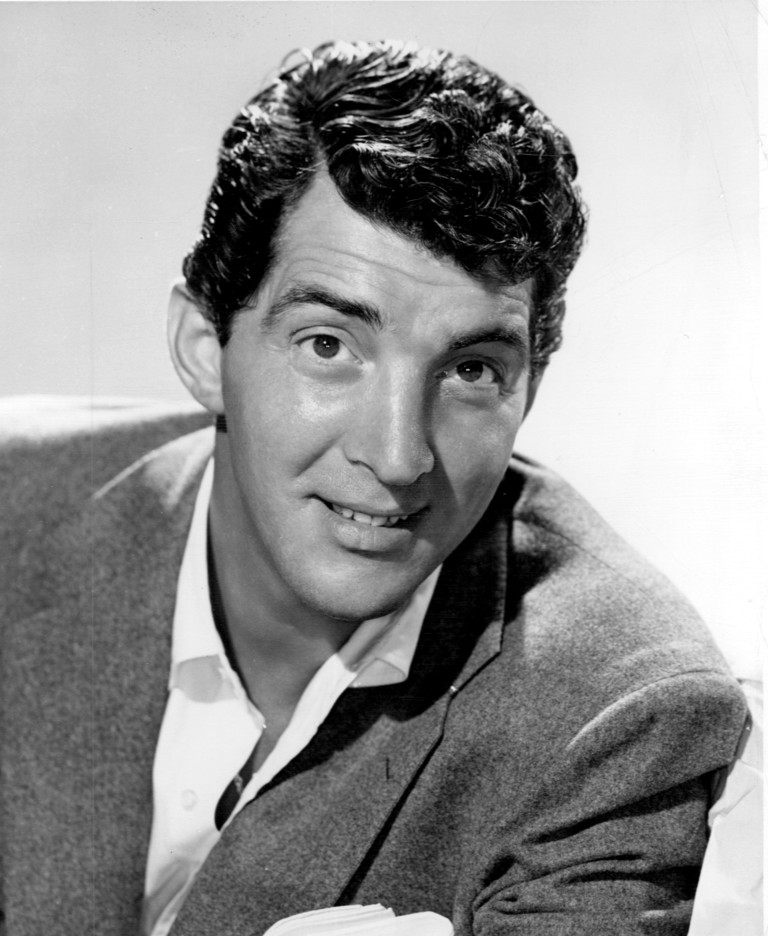
 photo: b'dayforever678 · cc by-sa 3.0 ↗
The Pussycat Dolls
sourcesJustLuxe — "Pussycat Doll Creator Robin Antin Talks Inspiration, Celebrities, & Defines 'Sexy'" (Antin's extended testimony on Bob Fosse's influence) · uDiscoverMusic — "'Buttons' · AllMusic — Shall We Dance? (Original Soundtrack) review and credits (confirms the Pussycat Dolls' 'Sway' recording and billing)
In 1995, choreographer Robin Antin brought a burlesque revue into Johnny Depp's Viper Room, spinning corsets and vintage standards into eight-minute bursts between sets. "This is why I opened the club," Depp told her — and the show, not yet a band, became the hottest ticket on the Sunset Strip. Interscope's Jimmy Iovine saw a pop group hiding inside the choreography and, in 2003, pushed Antin to record; Nicole Scherzinger's voice carried the transformation, from the group's debut cover "Sway" through "Don't Cha," "Buttons," and "Stickwitu." The Pussycat Dolls sold millions before disbanding in 2010 and briefly reuniting a decade later. What began as dance never stopped being dance — the group's biggest hits are still built to be watched as much as heard.
the sound in question
2005
Don't ChaThe Pussycat Dolls
walk the tributaries ↓
Whitney Houston1980s · R&B / Pop / Soul
Nicole Scherzinger was six years old, painfully shy, hiding behind her mother's legs, when she first heard Whitney Houston. "That changed my life," she told TODAY decades later — the record that showed a kid who couldn't talk to people that she could sing to them instead. By the time Interscope built a pop group around Robin Antin's burlesque revue, Scherzinger was singing lead on nearly every Pussycat Dolls track, the vocal identity of a six-woman act shaped by one girl's Whitney-sized ambition.
listen: upstream & heresource: TODAY — "Nicole Scherzinger Says She's Been Overlooked Her 'Whole Life'" by Joyann Jeffrey (Scherzinger on discovering Whitney Houston at age six) ↗
1992
I Have NothingWhitney Houston
2005
StickwituThe Pussycat Dolls
listen forHouston's "I Have Nothing" builds from a hushed verse into full-throated, key-changed belting — the vocal architecture of a showcase ballad. On "Stickwitu," the Dolls' own slow-burn single, Scherzinger works the same shape in miniature: restrained verses, a chorus she opens up and pushes toward the top of her range without ever losing the song's quiet ache. It's the six-year-old who hid behind her mother's legs finding, again, the template for how a voice fills a room.
Bob Fosse1960s-70s · Musical theatre choreography
Robin Antin has one answer, unprompted, whenever she's asked what shaped her: Bob Fosse. "I have always been very inspired by...choreographers like Bob Fosse," she told JustLuxe, citing Sweet Charity and Cabaret — "every move that he made he was telling a story, and he was so involved in the costumes and the hair and the makeup." Years earlier she'd told a Las Vegas paper his work marked "a turning point for me in my life. It was just so rich and so different." Fosse never heard a note of Pussycat Dolls music — what he gave Antin was a grammar for turning striptease into story.
listen: upstream & heresource: Las Vegas Review-Journal — "Beyond Burlesque" by Mike Weatherford (Antin naming Bob Fosse, Ann-Margret, Cyd Charisse as inspirations; the Viper Room/Johnny Depp origin story) ↗
No known recordingBob Fosse
2006
ButtonsThe Pussycat Dolls
listen forThere's nothing to hear here — Fosse choreographed for stage and screen and never made a record. What survives is visible instead, in the "Buttons" video: an escalating tease built scene by scene, corsets stripped away piece by piece inside a wind tunnel, each dancer given her own beat to command the camera before the next one takes it — the storytelling-through-movement Antin says she learned from watching him work.
Dean Martin1950s · Traditional pop / Easy listening
Before Interscope turned Robin Antin's burlesque troupe into a recording act, the group's musical vocabulary was already set: mid-century pop and lounge standards built for a floor, not a mosh pit. Their first release, on the Shall We Dance? soundtrack in 2004, wasn't an original — it was "Sway," the English-lyric arrangement of "¿Quién será?" that Dean Martin's 1954 recording turned into a standard: cool, unhurried, built for a couple leaning into each other. A decade-old revue's official debut was somebody else's five-decade-old hit, remade to fit six women who'd spent that decade in exactly that register.
listen: upstream & here
1954
Sway (Quien Sera)Dean Martin
2004
SwayThe Pussycat Dolls
listen forMartin sings "Sway" barely above a murmur, letting the Latin rhythm section do the seducing while his phrasing stays a half-step behind the beat, unbothered. The Pussycat Dolls' 2004 cover keeps that same laid-back pocket — no belting, no key change, just Scherzinger sliding over the groove the way Martin did, proof the group's founding sound started as an inherited mood, not an original one.