Romeo Santos


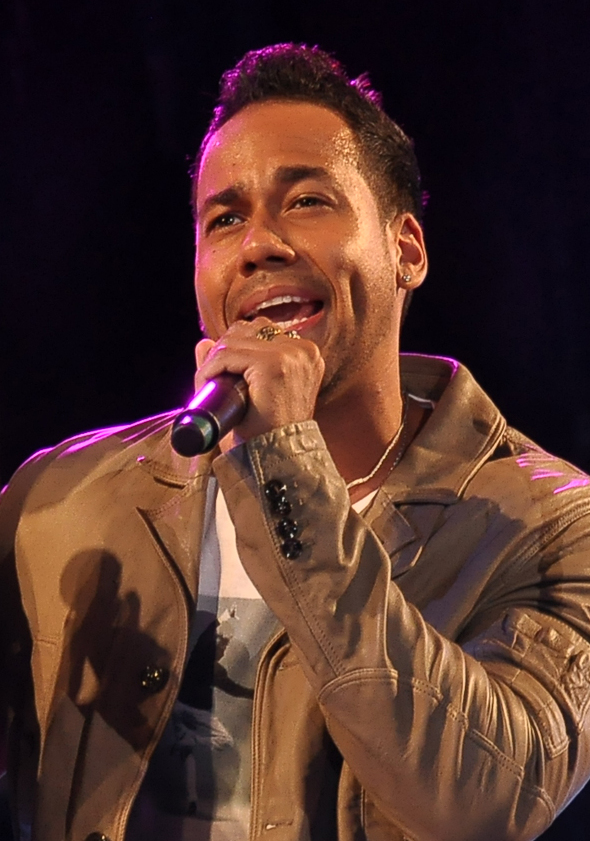 photo: alex cancino · cc by-sa 3.0 ↗
Anthony "Romeo" Santos was born in the Bronx in 1981 to a Dominican father and Puerto Rican mother, and made his name as the lead voice and chief songwriter of Aventura, the group that fused traditional Dominican bachata with R&B, hip-hop, and bilingual slang for a US-born Latino generation. After Aventura's run of hits like "Obsesión" and "Ella y Yo," he launched a blockbuster solo career in 2011 that made him one of the best-selling tropical artists of the 2010s, widely billed as the King of Bachata. His theatrical, tongue-in-cheek romantic persona and glossy productions helped carry a once-marginalized guitar music to stadiums across the Americas.
By Santos's own account, he was not focused on bachata until his father brought home an Antony Santos cassette; he fell for the older singer's music and it steered him toward the genre. Aventura's guitar-forward bachata carries the melodic phrasing and amargue (bittersweet heartbreak) feeling that Antony Santos helped define for the modern electric era.
listen forPut on Antony Santos's "Voy Pa'lla" and then Aventura's "Obsesión" and hear how the bright, cascading lead-guitar licks and the ache in the vocal carry straight across a decade, even as Aventura speeds it up and threads in R&B harmonies.
Romeo Santos has counted Juan Luis Guerra among the artists he admires and later recorded with him; Guerra's example of dressing bachata and merengue in literary, poetic lyrics and lush, harmonically sophisticated arrangements is a clear model for Santos's own drive to make bachata sound upscale and radio-grand.
listen forFollow Guerra's "Burbujas de Amor" with Santos's "Eres Mía" and notice the shared taste for a velvety, unhurried romantic croon floating over refined guitar and layered backing harmonies, poetry-as-seduction rather than raw lament.
Wikipedia's account of Santos's influences lists salsa greats including Héctor Lavoe among the voices he absorbed growing up around Dominican and Puerto Rican music; the sonero tradition of dramatic, improvised vocal ad-libs and theatrical, suffering-romantic delivery echoes in Santos's showman phrasing and his salsa-leaning collaborations.
listen forPlay Lavoe's "El Cantante" and then Santos's salsa duet "Yo También" with Marc Anthony and hear the same brassy, Fania-style swing and the singer stepping out front to improvise and emote like a classic sonero.