Lester Young

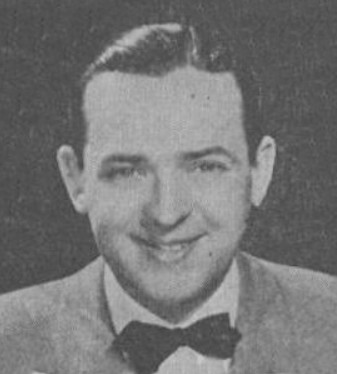
 photo: william p. gottlieb · public domain ↗
Lester Young grew up in his father's touring family band, working the territory circuit for sixteen years before Count Basie ever put him on record. When the French critic François Postif asked him, in what turned out to be his last interview, who he'd modeled himself on, Young didn't hesitate: he'd owned records by both Jimmy Dorsey and Frankie Trumbauer, played them side by side, and picked Trumbauer's cooler, C-melody sound over the tenor's reigning heavyweight, Coleman Hawkins. "I tried to get that C Melody sound out of my tenor," he explained. "That's why I don't sound like other people." That deliberate detour — light where Hawkins was thick, floating where the standard was forceful — became the 1936 solo on "Lady Be Good" that reset what a tenor saxophone could sound like, and the model an entire cool-toned generation, Charlie Parker included, would build from.
Late in his life, in a Paris hotel room, Young told the writer François Postif exactly how he'd chosen his sound: "I had to make a decision between Frankie Trumbauer and — what's the name — Tommy, Jimmy, Jimmy Dorsey? … I wasn't sure which way I wanted to go, you dig? And I had these motherfucking records, and I'd play one of Jimmy's, I'd play one of Trumbauer's, and all that shit." What settled it was one side. "That was my man," Young said of Trumbauer. "I had to pick from two, right?" Asked whether he'd heard "Singin' the Blues," the 1927 record Trumbauer cut with Bix Beiderbecke, Young answered: "That tricked me right there, that's where I went."
listen forTrumbauer plays the C-melody saxophone — a horn pitched between alto and tenor — with a light, unhurried tone that never leans on volume to make its point. Young's solo on "Lady Be Good" chases that same weightlessness on a full-sized tenor: short phrases that breathe and build on each other rather than barreling through the changes, the sound floating above the rhythm section instead of driving it.
Trumbauer wasn't the only record on the turntable. In that same 1959 interview, Young remembered weighing Trumbauer against Jimmy Dorsey, the alto saxophonist and clarinetist who'd go on to lead his own swing-era big band, before settling on Trumbauer's tone as his model. Dorsey didn't lose the argument entirely: later saxophonists writing about the era count Young alongside Charlie Parker among the players who "acknowledge him as an important influence on their styles," the technical, reed-playing rigor Dorsey brought to the era's saxophone conversation.
listen forDorsey's clarinet and alto work on "Coquette" is fast, clean, and technically exacting — the sound of a player who'd worked out every fingering before he needed it. That same facility shows up in the quick, precise runs Young threads through "Shoe Shine Boy," his recording debut a few months into the Basie band: the ideas move faster than the Trumbauer influence alone would suggest, evidence of a second model in the mix.