walking upstream…
Jorge Negrete

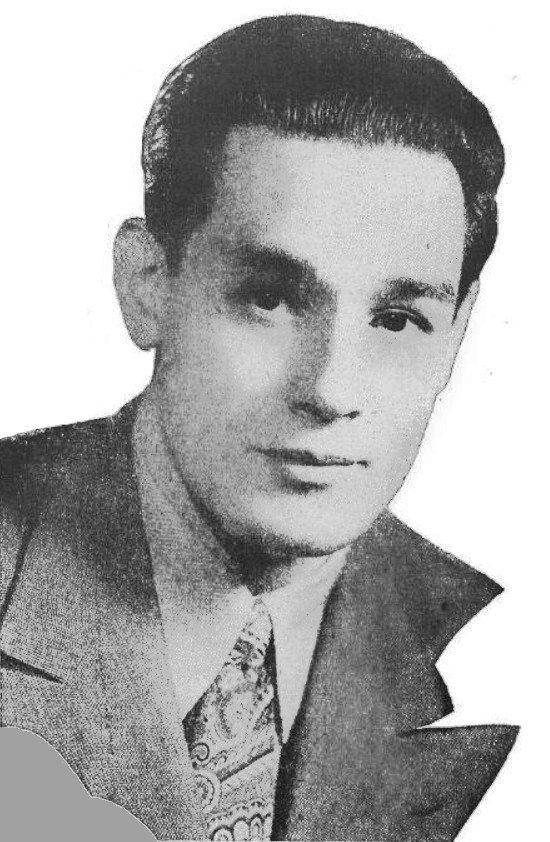
 photo: foto promocional · public domain ↗
Jorge Negrete
sourcesBuena Música — Biografía de Jorge Negrete (early life, José Pierson vocal studies) · El Universal — 110 datos del Charro Cantor (Pierson/Esperón formation, biographical facts) · UCLA Strachwitz Frontera Collection blog — Allá en el Rancho Grande (the 1936/1949 same-director remake connecting Guízar and Negrete) · Infobae — Allá en el rancho grande · Wikipedia — Jorge Negrete (biography grounding
In 1934, a cavalry lieutenant's son sang opera in maestro José Pierson's student choir at the inaugural gala of Mexico City's Palacio de Bellas Artes — one stop on a path meant to end in European opera houses, via an unsuccessful Metropolitan Opera audition and a run singing Neapolitan song on Mexico City radio under a false name. It was composer Manuel Esperón who forced the pivot: contracted to record a ranchera he had first refused, Negrete found instead the role that made him El Charro Cantor, his trained baritone anchoring Mexican cinema's golden age. He died of cirrhosis in 1953, days after marrying the actress María Félix; Mexico declared national mourning. Negrete's ranchera was always an opera singer's ranchera — bel canto discipline wearing a charro suit.
the sound in question
1941
Ay Jalisco No Te RajesJorge Negrete
walk the tributaries ↓
José Pierson1930s · Opera
Before Mexico called him El Charro Cantor, Negrete spent years training to sing opera. He studied under José Pierson, director of the opera company Compañía Impulsora de Ópera de México, alongside classmates who became the era's great bolero voices — Pedro Vargas, Juan Arvizu, Alfonso Ortiz Tirado. A biographer's summary draws the clean division: "Si José Pierson educó a Jorge para cantar ópera, Manuel Esperón le enseñó a cantar ranchero" — if Pierson taught Jorge to sing opera, Manuel Esperón taught him to sing ranchero. Pierson built the instrument — breath control, an operatic upper register — years before anyone put a charro hat on him.
listen: upstream & heresource: sdpnoticias — Jorge Negrete, cantor, antes que charro (bel canto training under José Pierson, tesitura/baritono Martin analysis) ↗
1930
No known recordingJosé Pierson
O Sole MioJorge Negrete
listen forThere is no Pierson recording to press play on — his teaching survives only in secondhand testimony. What is audible is its result: Negrete's own recording of the Neapolitan aria "O Sole Mio," sung in Spanish, where a trained tenor's ease — long unbroken breath, an easy ring on the top notes — sits inside a voice classified as baritone. Biographers call the combination a "baritono Martin," a baritone's range colored like a tenor's — the operatic technique Pierson installed, still audible under every ranchera Negrete later sang from a horse.
Manuel Esperón1930s–50s · Film score / Ranchera
For 1941's "¡Ay Jalisco, no te rajes!," composer Manuel Esperón handed Negrete his first real ranchera — and, as Esperón told a columnist for the Mexican newspaper Milenio decades later, the trained tenor rebelled on sight, hurling the sheet music under the piano: "¡yo soy un cantante… yo no soy mariachi!" — I'm a singer, not a mariachi. A studio contract left him no way out. Negrete recorded it, the film made him El Charro Cantor, and he came around fully: "yo hago lo que tú me ordenes, Manuelito" — I do what you tell me, Manuelito. Esperón kept writing the ranchera catalog that defined him afterward.
listen: upstream & heresource: Milenio — Manuel Esperón, el hombre que inventó al estado de Jalisco (the "¡Ay Jalisco, no te rajes!" refusal-and-recording anecdote, in Esperón's own account) ↗
1941
No known recordingManuel Esperón
1941
¡Ay Jalisco, no te rajes!Jorge Negrete
listen forThere is no Esperón recording to compare against — he wrote and directed the arrangement but never performed it himself. Listen instead for what he built into it: a horn-and-string pickup figure opening the verse, the kind of cue he called a "trampita," engineered because, as he put it, Negrete was "muy descuadrado" — prone to missing his entrance. The result is a trained bel canto voice, still uncertain in the idiom, being walked into the room by a composer's shorthand.
Tito Guízar1930s–40s · Ranchera / Comedia ranchera
In 1936, guitar in hand and dressed as a charro, Tito Guízar starred in director Fernando de Fuentes's "Allá en el Rancho Grande," the film an enthusiast historian credits with launching the whole "comedia ranchera" genre — writing that Guízar "moldeó el tipo del charro mexicano que años más tarde desarrollarían figuras como Jorge Negrete y Pedro Infante," shaped the singing-charro archetype that Negrete and fellow charro-singer Pedro Infante later took up. Thirteen years on, de Fuentes remade his own film, this time casting Negrete in the role Guízar had originated.
listen: upstream & heresource: El Blog del Bolero — Tito Guízar ↗
1936
Allá en el Rancho GrandeTito Guízar
1949
Allá en el Rancho GrandeJorge Negrete
listen forGuízar sings the 1936 title song light and high, closer to a pop crooner than a mariachi, with a solo guitar carrying most of the arrangement. Negrete's 1949 remake takes the same melody and drops it into a trained baritone, mariachi horns and strings filling in what had been bare guitar — same words, same charro role, but the genre's founding tenor giving way to the operatically trained voice that came to define it.