walking upstream…
Antonín Dvořák

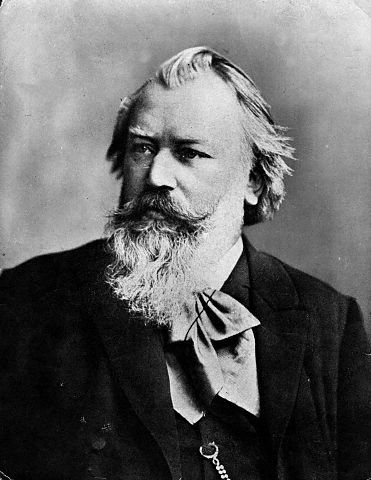
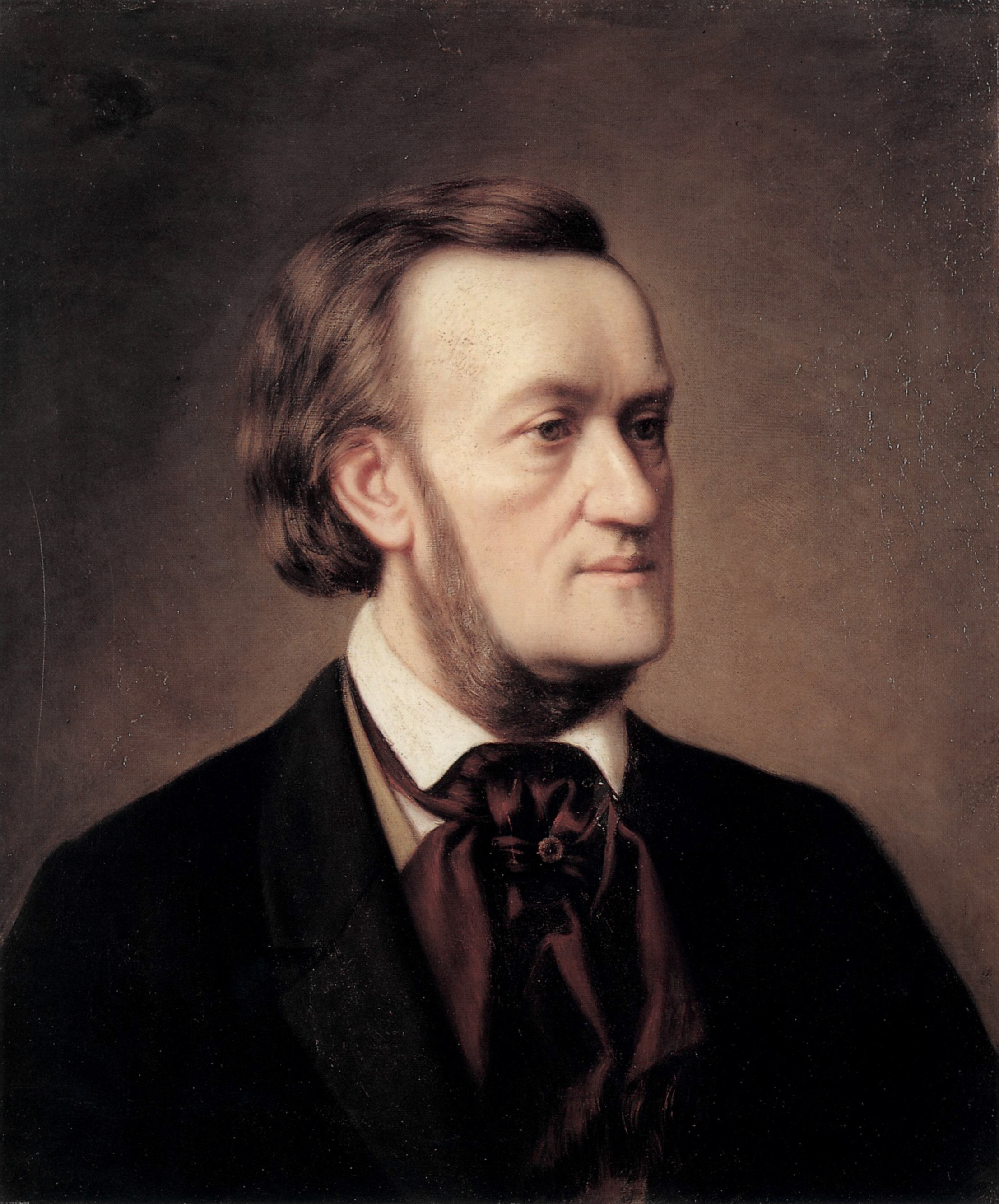
 photo: public domain ↗
Antonín Dvořák
sourcesDvořák American Heritage Association — Beveridge, "Antonín Dvořák · antonin-dvorak.cz — Dvořák's own letters and statements (Organ School years, homeland) · American Symphony Orchestra — Botstein, "Admiration and Emulation · Classical Music Daily — Colerick, "Dvořák and Brahms" (chamber works, Brahms as editor) · Dvořák American Heritage Association — "African American Influences" (Burleigh's own account; Victor Herbert's 1922 letter) · Wikipedia — Antonín Dvořák biography
In 1857, Antonín Dvořák — a butcher's son from the Bohemian village of Nelahozeves — arrived at Prague's Organ School owning almost no German and was mocked for it: "My classmates looked at me through their fingers and they laughed at me behind my back," he recalled. He spent the next two decades as a working violist, including nine years under fellow Czech composer Bedřich Smetana's baton at the Provisional Theatre, before an obscure composition prize changed his life. He went on to direct New York's National Conservatory of Music from 1892 to 1895, arguing publicly that African American and Native American melodies, not European tradition, would form the true backbone of American classical music — a claim his own "New World" Symphony was written to prove. He died in Prague in 1904, the most performed living composer in the Western world.
the sound in question
1893
Symphony No. 9 "From the New World" (IV. Allegro con fuoco)Antonín Dvořák
walk the tributaries ↓
Harry Burleigh1910s–20s · Spirituals / Classical / Art song
Burleigh was a National Conservatory scholarship student earning his keep as porter and copyist when his tired director asked him to sing after supper. He gave Dvořák whatever he knew — spirituals nobody yet called by that name. "Dvořák of course used 'Swing Low, Sweet Chariot,' note for note," Burleigh said decades later. "It was not an accident. He did it quite consciously." The flute's second theme in the symphony's opening movement carries that tune almost unchanged — a student's evening repertoire folded into a Czech composer's most famous score.
listen: upstream & here
No known recording — Burleigh sang "Swing Low, Sweet Chariot" to Dvořák after supper at the National Conservatory, 1892–93Harry Burleigh
1893
Symphony No. 9 "From the New World" (I. Adagio — Allegro molto)Antonín Dvořák
listen forNo recording exists of those after-supper sessions — Burleigh's actual voice, and the songs as he sang them, are lost to history. What survives is what Dvořák did with the material: in the symphony's first movement, listen for the flute quietly stating a melody close to "Swing Low, Sweet Chariot" before the full orchestra takes it up. Victor Herbert, a lifelong friend of Burleigh's, insisted in a 1922 letter that the transmission was real — "I have seen this denied — but it is true" — because so many refused to credit a janitor's student with it.
Johannes Brahms1870s–90s · Classical / Romantic
In 1874, a reluctant Johannes Brahms sat on the jury reviewing entries for the Austrian State Stipendium and found, buried in an obscure Czech composer's fifteen-work submission, a talent that stunned him. Brahms secured Dvořák the stipend three years running, then handed his manuscripts to his own publisher, Simrock, who commissioned the Slavonic Dances that made Dvořák's name across Europe. The debt outlasted the money: composing his Symphony No. 6 in 1880, Dvořák built its finale as a direct answer to what conductor Leon Botstein calls "Brahms's symphony in the same key" — the Second — even though, Botstein insists, "by no means should Dvorak's be seen as mere aftermath."
listen: upstream & here
1877
Symphony No. 2 in D major, Op. 73 (IV. Allegro con spirito)Johannes Brahms
1880
Symphony No. 6 in D major, Op. 60 (IV. Finale. Allegro con spirito)Antonín Dvořák
listen forBoth symphonies close with a finale carrying unusual structural weight. Brahms compresses his into a tight, driving close; Dvořák, answering him in the same key, builds his finale into the movement the whole symphony leans toward — a grander architecture than his earlier work attempted. Listen for how each composer resolves the same governing idea in opposite temperaments: Brahms's compact control against Dvořák's expansive sweep, the younger composer answering, not imitating, the older model sitting in front of him.
Richard Wagner1850s–70s · Opera / Romantic
Long before Brahms, Dvořák's first idol was Wagner. When the composer himself conducted excerpts from Tristan und Isolde and Die Meistersinger at a Prague concert in 1863, the twenty-one-year-old orchestra violist in the audience became obsessed. "I was perfectly crazy about him," Dvořák admitted decades later, "and recollect following him as he walked along the streets to get a chance now and again of seeing the great little man's face." The infatuation shows in his early works: biographer David Beveridge notes that Dvořák's Third Symphony, finished a decade later, still shows "the influence of Wagner" in its loosened, expansive form.
listen: upstream & heresource: The Wagnerian — Gabrielová, "Antonín Dvořák and Richard Wagner" (Dvořák's own Wagner testimony) ↗
1868
Die Meistersinger von Nürnberg, WWV 96 (Overture/Prelude to Act I)Richard Wagner
1873
Symphony No. 3 in E-flat major, Op. 10 (I. Allegro moderato)Antonín Dvořák
listen forListen to the Meistersinger prelude's broad, unhurried unfolding of one theme after another, never in a hurry to resolve — then to the first movement of Dvořák's Third Symphony, stretched into similarly long spans, years before the tighter, folk-driven forms that would make him famous. The teenage devotion is audible in structure, not melody: a young composer testing how far a movement could expand before it lost its shape, exactly the risk Wagner had made fashionable.